LA WEEKLY

Sophia Dunn-Walker Plans Los Angeles Tribute
to Fritz Lang’s Metropolis Ahead of Its Futuristic Anniversary
[as originally published on laweekly.com]
In April, filmmaker and producer Sophia Dunn-Walker plans to host a Los Angeles screening event marking a milestone few films ever reach: the world of Fritz Lang’s Metropolis finally arriving in real time.
The landmark silent film, filmed in 1926 and set in the year 2026, imagined a distant technological future that now overlaps with the present. Dunn-Walker is organizing an event around that moment, built around a screening of Metropolis alongside other works that explore visions of the future and the science fiction tradition it helped establish.
For Dunn-Walker, the event is more than a film screening. It is also personal.

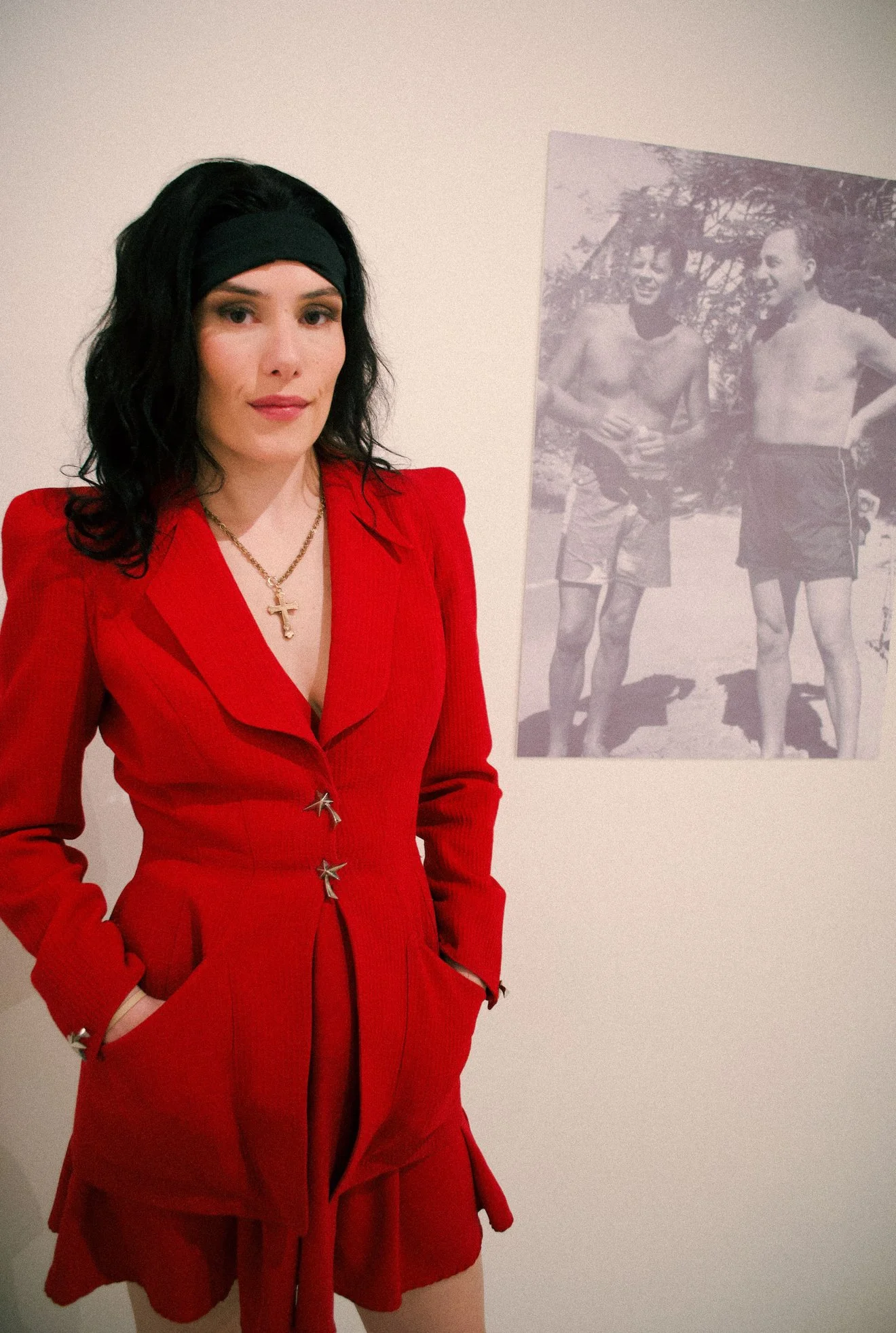
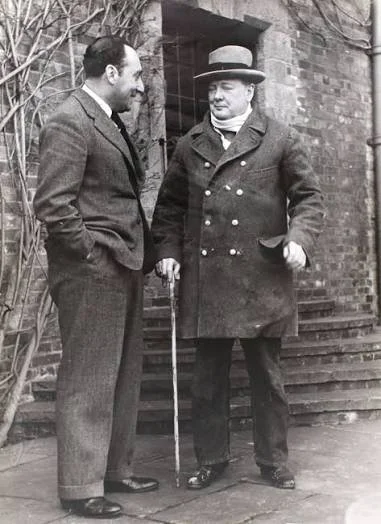
Her godfather was Stefan Lorant, the influential photojournalist and editor whose work helped shape twentieth-century visual journalism. Lorant corresponded with Lang, and Dunn-Walker later inherited a collection of letters exchanged between the two men. That connection, she says, helped spark her interest in revisiting Metropolis at a moment when the film’s imagined timeline intersects with the present.
“I grew up hearing stories about that circle of filmmakers and journalists,” Dunn-Walker says. “The letters between Lorant and Lang make the film feel less like a museum object and more like something alive in history.”
The upcoming event will center on a screening of Metropolis and other works that engage with science fiction’s long conversation about technology, labor, and social hierarchy. While the final venue has not been announced, Dunn-Walker has been in discussions with archival curators at the Getty about possible involvement or sponsorship.
Even without a confirmed location, the concept reflects Dunn-Walker’s broader approach to film culture: treating cinema not only as entertainment but as part of a larger historical and artistic continuum.

Dunn-Walker runs Enkidu International Productions, the Los Angeles–based company she founded with her brother Kip. Over the past several years the company has grown into a seven-figure independent production operation, developing films and documentaries while also organizing creative programming and community work. Its projects have received national grant support and industry recognition, including a regional Emmy.
The company recently announced a partnership with The Ed Asner Family Center, which will serve as Enkidu’s fiscal sponsor as it expands its slate of projects across film and media.
Alongside leading Enkidu, Dunn-Walker has built a substantial career in film and television, working across acting, directing, and producing. She has appeared in projects ranging from independent features to mainstream productions, including the long-running daytime series The Bold and the Beautiful. As a director and producer, she continues to develop new projects through Enkidu while collaborating with artists across film, documentary, and music.
The April event, however, returns to a much earlier chapter of cinema history.
When Lang created Metropolis, the film was one of the most ambitious productions ever attempted. Its towering futuristic cityscapes and elaborate visual effects set a new benchmark for filmmaking at the time. The story follows a divided city where industrial workers labor underground to sustain the lives of an elite class living above them.
For Dunn-Walker, the film’s endurance lies in the questions it raises.
“The technology in Metropolis is very much of its time, but the ideas about power and labor are still very current,” she says.
Dunn-Walker has long been interested in speculative storytelling and is currently developing a science fiction opera through her production company.
The April gathering aims to create a space where those ideas can be revisited collectively. Alongside the screening, Dunn-Walker plans to include additional sci-fi and speculative works that speak to the genre’s evolving vision of the future.
Los Angeles, with its deep ties to film history and its ongoing role in shaping global cinema, provides a fitting backdrop for the event.
For Dunn-Walker, the goal is straightforward: bring audiences back to a film that continues to resonate nearly a century after it was made.
“We’re living in the year that Metropolis imagined,” she says. “That alone feels like a moment worth acknowledging.”
The event is expected to take place in Los Angeles in April of this year. Additional details, including the final venue and participating works, are expected to be announced soon.