Ability Magazine
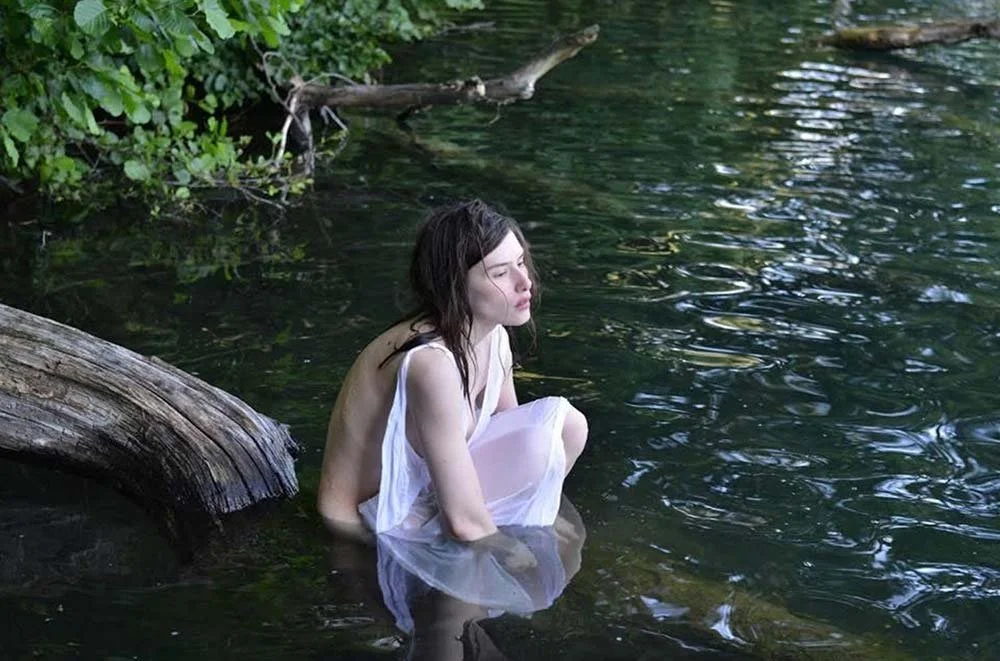
Sophia Dunn-Walker—Raw, Uncomfortable and Necessary Stories
[as originally published on abilitymagazine.com]
For filmmaker Sophia Dunn-Walker, disability is not a limitation on artistic vision—it is a lens through which that vision has been sharpened. Living with cone dystrophy, a rare degenerative eye condition that affects visual acuity and color perception, she has developed a distinct visual language rooted in bold choices, heightened emotion, and a willingness to reject strict realism. What some might consider a barrier has instead shaped her instincts as a director. It has pushed her toward graphic imagery, stylized storytelling, and an unapologetically expressive approach to filmmaking.
Originally drawn to theater as a more accessible way to engage with literature, Dunn-Walker’s creative path evolved from stage to screen. Collaboration, scale, and visual storytelling offered new possibilities. Today, she is the co-founder of Enkidu Productions, a small but mission-driven production company she launched with her brother, who is autistic. Together, they focus on centering disabled and neurodivergent artists—not through sanitized narratives or exploitative inspiration but through work that prioritizes emotional honesty, artistic risk, and authenticity.
Dunn-Walker the director of The Boy Who Spoke to Flowers a deeply personal documentary exploring autism, family, and public perception at a time when disability narratives are increasingly politicized. She is also co-producer of Vestibule, a long-form documentary shaped by more than a decade of lived experience. Additionally, she is continuing work on a forthcoming French-language action film that pushes feminist themes into deliberately uncomfortable territory.
In an interview with ABILITY Magazine’s Jennifer Woodall, Dunn-Walker discusses how cone dystrophy influences her filmmaking style. She explains why she believes disabled artists should be trusted as creative leaders and what it means to pursue raw, uncompromising storytelling in an industry often resistant to risk. She also reflects on self-advocacy, collaboration, and the importance of making space for disabled voices that are complex, imperfect, and fully human.
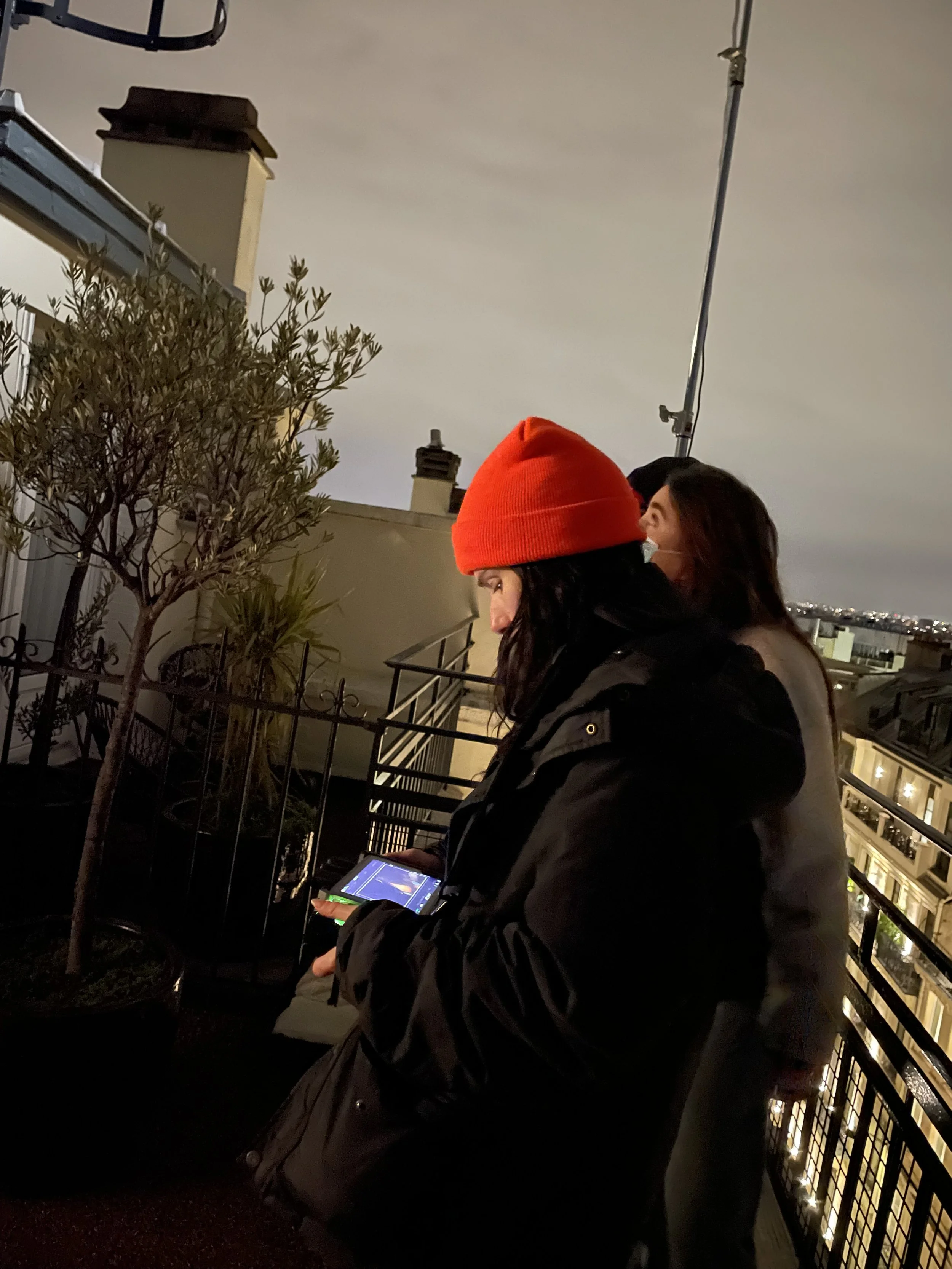
Jennifer Woodall: Can you give me a little bit of background on how you got into filmmaking?
Sophia Dunn-Walker: It’s always something I’ve been interested in. I knew I wanted to direct since I was probably 17 or 18, but that was more focused on theater just because that was more accessible to me. I originally got into theater because of my eye condition—because it affects my reading pace and my acuity. I loved literature, but it was really hard to read long texts. Being able to experience theater like Shakespeare or Chekhov was a really early way for me to experience literature without having to do the heavy lifting of a lot of reading. It was similar to how my dyslexic friends would be interested in theater, actually.
Woodall: Can you talk about your eye condition, Cone dystrophy?
Dunn-Walker: It runs on my dad’s side of the family. It’s very rare. There’s a couple of different kinds of it. If I have kids, there’s a 50% chance that my kids will have it. It is degenerative, but it manifests really differently from individual to individual. My dad’s eye state is still pretty decent, but my aunt is very close to fully blind. I don’t know why that is. I think it’s just the gene expression. Somebody explained it to me at one point. It’s a gamble, I guess. But it affects visual acuity and color perception and reading pace. It’s non-correctable because it affects the cones of the eyes, So, it’s in the back of the eye.
Woodall: So, the level of sight you are now, is that where you’ve been your whole life, or have you been progressively losing it the older that you’ve gotten?
Dunn-Walker: It’s pretty close to how it was when I was a teenager. I haven’t noticed too many changes, but I do notice increased sensitivity to lights or just more visual fatigue. I don’t know if it’s just because the world has become more screen-based, but being on the screen all the time is just really hard on my eyes. I think it is for most people. But interestingly, I think that people always assume that technology is going to be really good for people with disabilities. It can also be detrimental in some ways. So, I definitely prefer reading off of paper when I can.
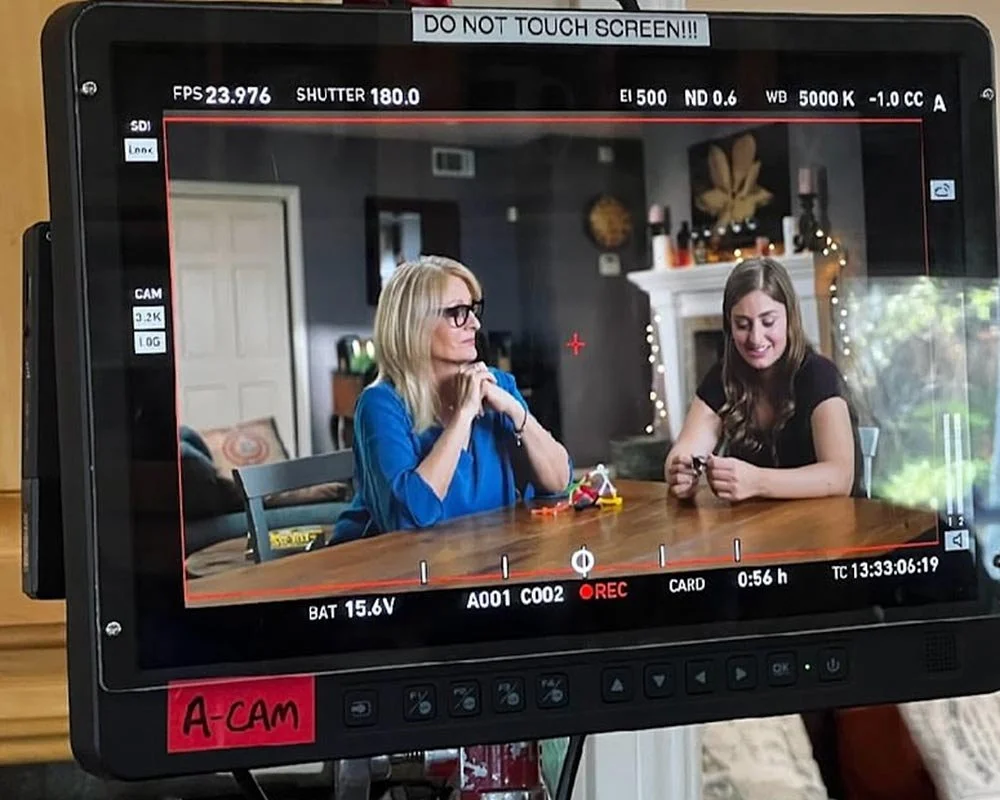
Mel Robbins and Abbey Romeo on the set of The Boy Who Talked to Flowers
Woodall: Since it affects the cones in your eyes, is your color perception affected by that?
Dunn-Walker: Yeah, definitely. So, I have just a smaller range of colors that I do see. I get brown and purple mixed up a lot or green and blue, or sometimes even red and brown. It’s interesting. I feel like I’m doing a bit almost when I ask somebody what color they’re wearing because my ex used to always get frustrated with that. It brings up a lot of questions if I’m seeing what other people are seeing… READ MORE